Autónomo in Spain is an individual registered in the social security system (Régimen Especial de Trabajadores Autónomos, RETA), who carries out independent economic activity on a permanent basis, in their own name and at their own risk, with the purpose of generating income.
Simply put, it's a self-employed entrepreneur officially registered with the Spanish tax authorities and social security system. The autónomo status is regulated by Spanish legislation and is used by both Spanish citizens and foreigners with the right to work. It's suitable for freelancers, consultants, IT specialists, marketers, designers, teachers, as well as owners of small businesses without complex corporate structures.
Important to understand: autónomo is not a type of residence permit, but a form of conducting business activity. The right to reside and work is processed separately.
Key characteristics of autónomo status
Autónomo status has several fundamental features:
works without an employment contract with an employer;
independently issues invoices to clients;
pays mandatory monthly social contributions to Seguridad Social;
pays taxes (IRPF, IVA — when necessary);
bears full responsibility for the results of their activity.
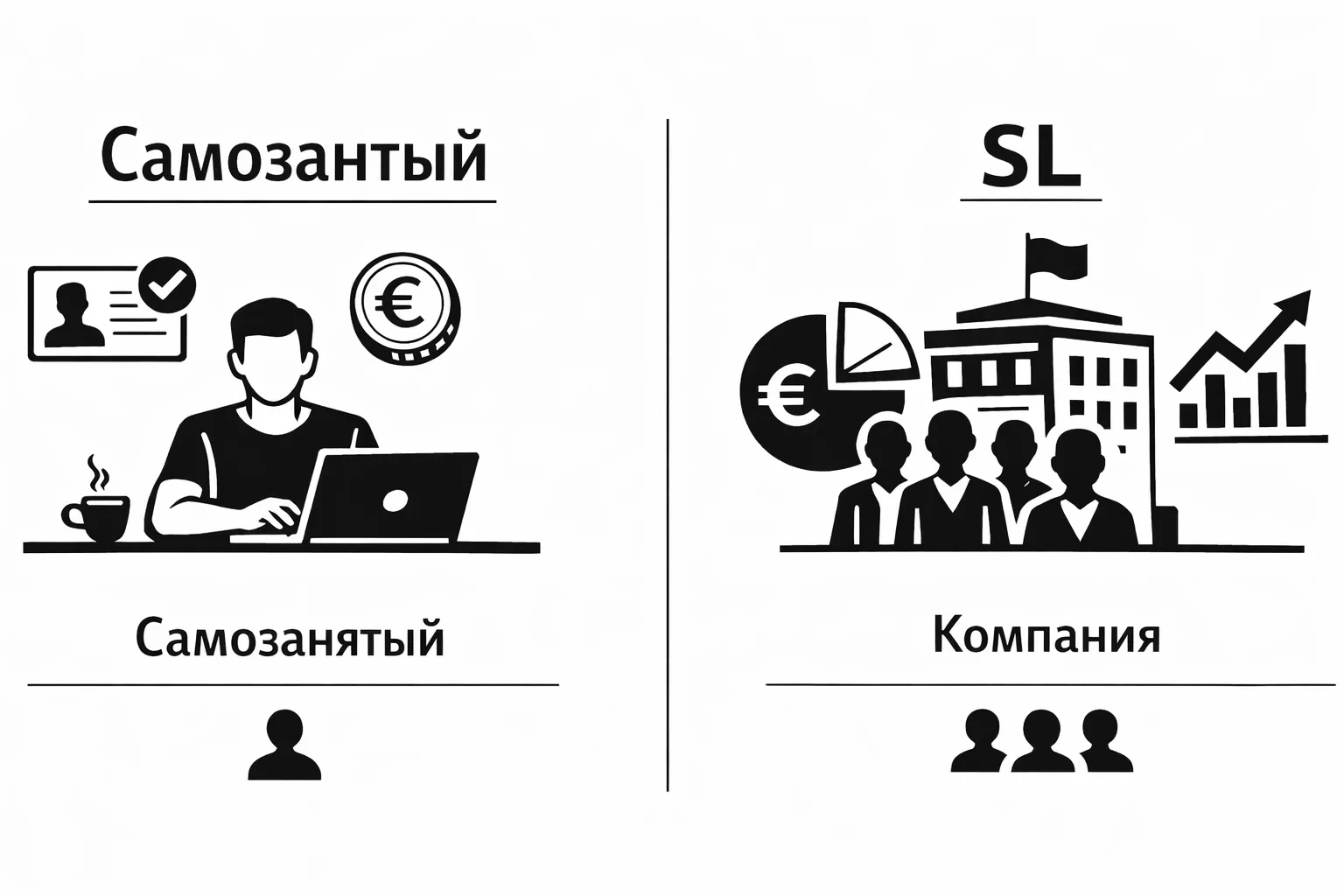
Differences between autónomo and SL (Sociedad Limitada)
Before choosing a business format in Spain, it's important to understand how autónomo status differs from SL (Sociedad Limitada) — a limited liability company.
SL is a legal entity where the company operates separately from its owner, and the liability of founders is limited to the share capital, making this form popular for more structured and scalable businesses.
Autónomo
individual
personal liability
all profit is personal income
taxes: IRPF
simpler administration
suitable for small business and freelancing
SL (Sociedad Limitada)
legal entity
liability limited to share capital
profit belongs to the company, not the owner
taxes: corporate tax + personal IRPF for owners
more complex administration
preferable for large contracts
How and where to register as autónomo and what documents are required
Autónomo registration in Spain takes place in two stages:
Submitting an application to start economic activity with Agencia Tributaria (Hacienda)
Registration in the social security system Seguridad Social (RETA)
Registration is possible:
online (with electronic signature),
in person,
through gestoría (tax representative).
List of main documents for opening autónomo in Spain
passport or NIE;
residential address in Spain;
social security number;
Modelo 036 or 037 form;
information about type of activity (IAE);
bank account in Spain.
What types of Spanish residence permits can be obtained with autónomo status
Autónomo status is used within the framework of the following types of residencies:
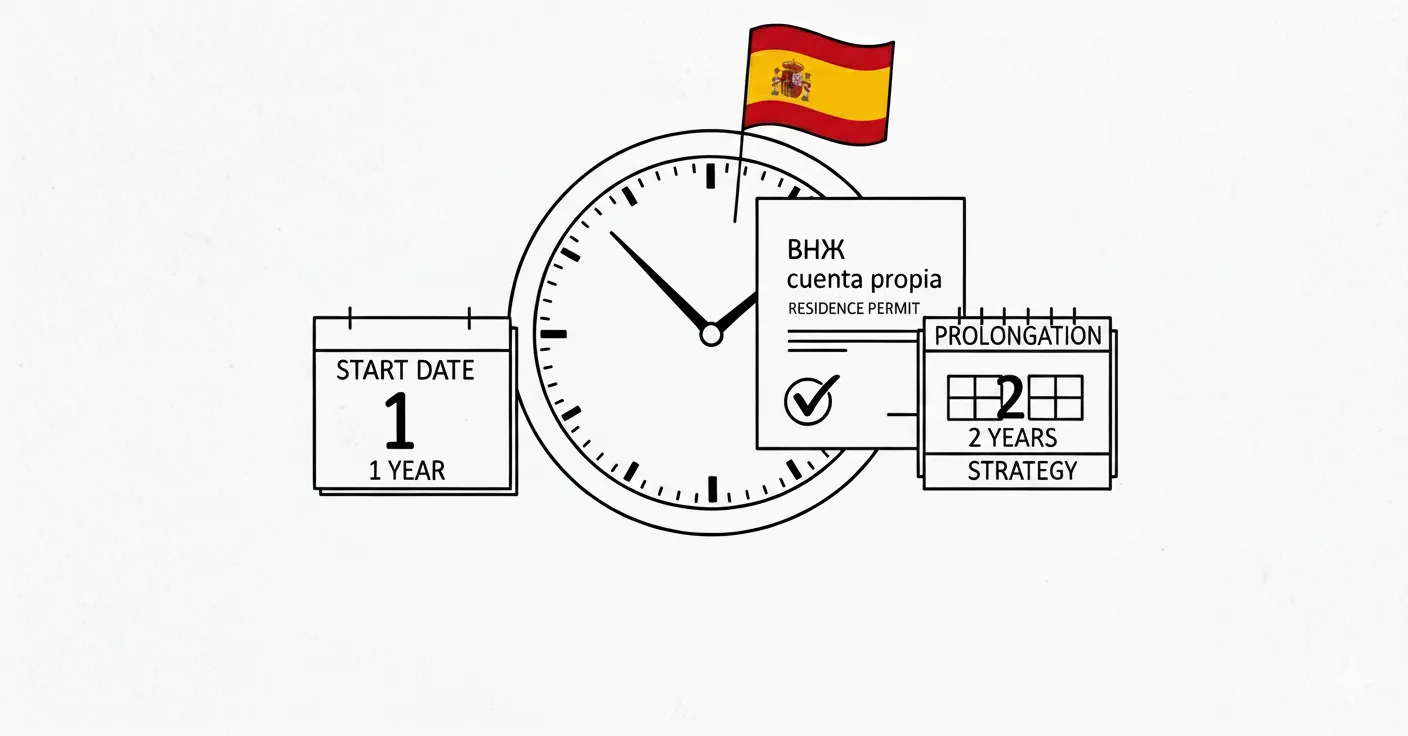
Residence permit with right to work por cuenta propia — this is the classic option for entrepreneurs and freelancers, processed through the consulate in your country or in Spain (depending on the situation)
Digital nomad residence permit — allows working as autónomo for foreign clients, subject to compliance with income limits from Spain.
Family reunification residence permit — family members can obtain the right to reside, and in some cases — to work as autónomo.
Long-term residence — after 5 years of legal residence, it's possible to obtain larga duración, which provides free access to autónomo status.
Autónomo in Spain is a flexible and accessible way to legally conduct independent activity. However, it requires understanding of tax burden, responsibility, and immigration nuances. For foreigners, the key point is the correct choice of residence permit type, as autónomo status itself does not grant the right to reside.